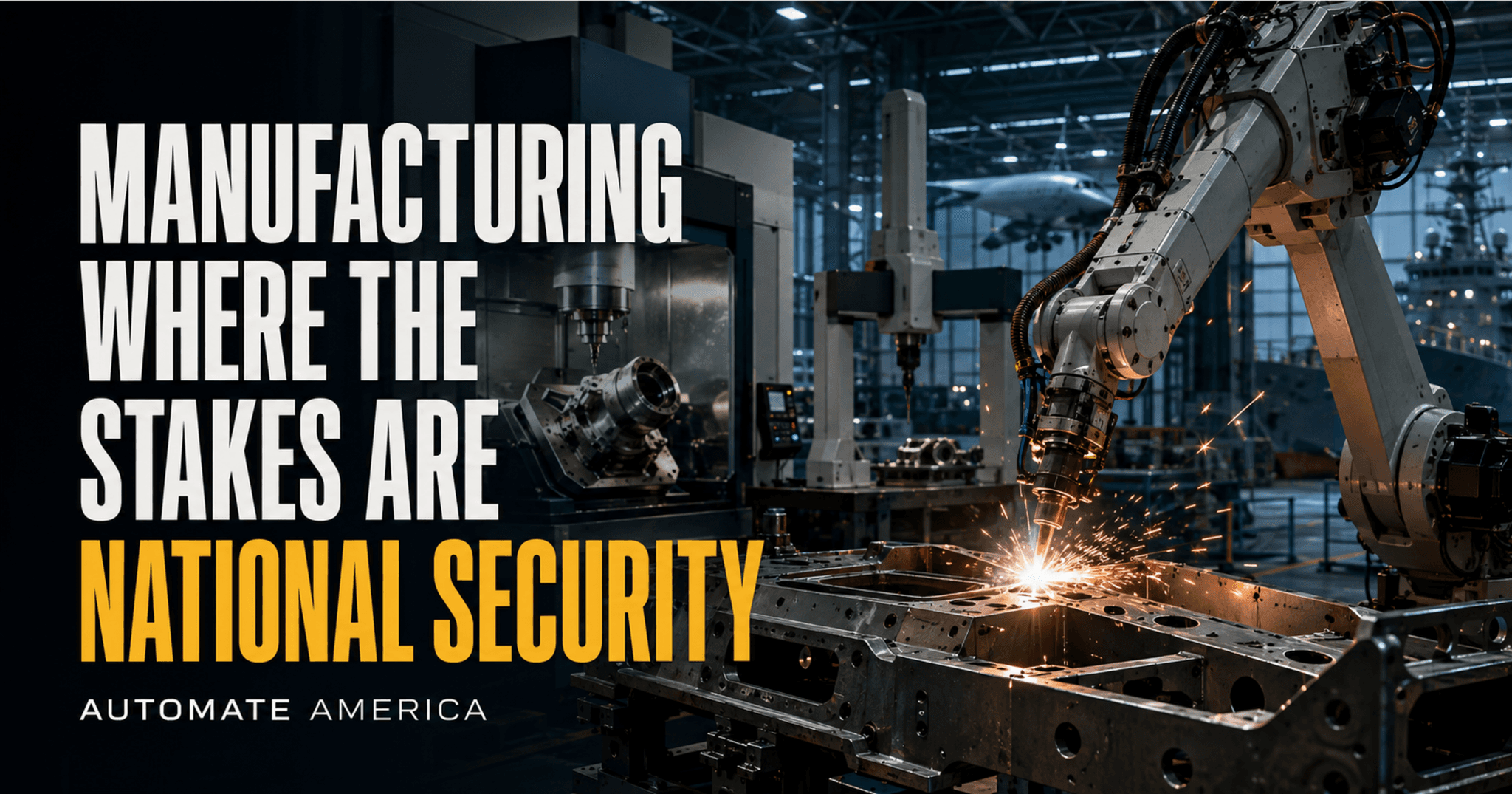
The factory floor of 2026 looks nothing like it did five years ago. Sensors embedded in every machine stream data to cloud dashboards in real time. AI algorithms predict equipment failures before they happen. Digital twins simulate production changes in virtual environments before a single bolt is turned.
This transformation — what the industry calls Industry 4.0 — is creating a workforce crisis. Many manufacturers cite adapting workers to the Factory of the Future as their top concern. Many technicians do not feel well prepared for digital technologies.
For professionals, this gap is an opportunity. Skills that bridge traditional operational technology (OT) with modern information technology (IT) are the ones companies struggle to find, and on Automate America a contract shows the rate the company posted.
What Is Industry 4.0?
Industry 4.0 is the convergence of physical production systems with digital technologies. In practical terms: machines that report their own health status, production lines that adjust in real time based on quality data, supply chains that automatically reorder materials, and energy systems that optimize consumption.
Tier 1 Skills: Critical Shortage
AI and Machine Learning
Predictive maintenance algorithms analyzing vibration, temperature, and electrical data. Quality inspection using computer vision. Skills needed: Python, TensorFlow/PyTorch basics, time-series analysis, computer vision.
Data Analytics
Skills needed: SQL, Python or R, Power BI or Tableau, time-series databases (InfluxDB, TimescaleDB), statistical process control.
OT/ICS Cybersecurity
Cybersecurity job postings are growing fast. Skills needed: IEC 62443, NIST SP 800-82, network segmentation, vulnerability assessment, NERC CIP. Combined controls + cybersecurity skills are rare.
IoT and IIoT Integration
Skills needed: Sensor deployment, MQTT, OPC UA, edge gateways, AWS IoT / Azure IoT Hub.
Tier 2 Skills: High Demand
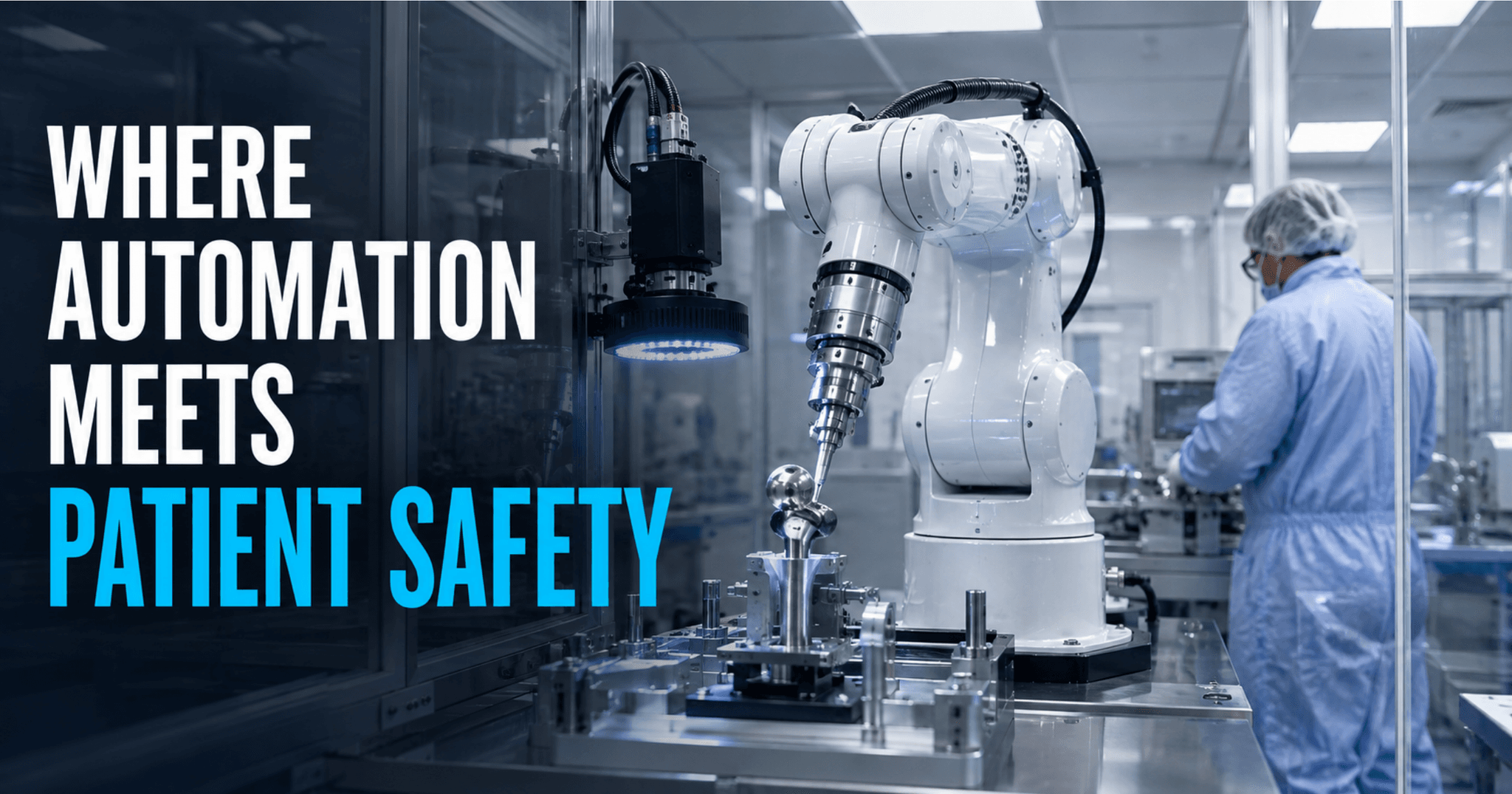
Advanced PLC programming with IT integration (OPC UA, structured text, cloud connectivity). Robotics and cobot integration (FANUC, ABB, KUKA, UR). SCADA/DCS modernization (Ignition migration). Digital twin technology (Siemens Tecnomatix, Dassault 3DEXPERIENCE). Systems integration bridging legacy OT with modern IT.
Tier 3 Skills: Emerging
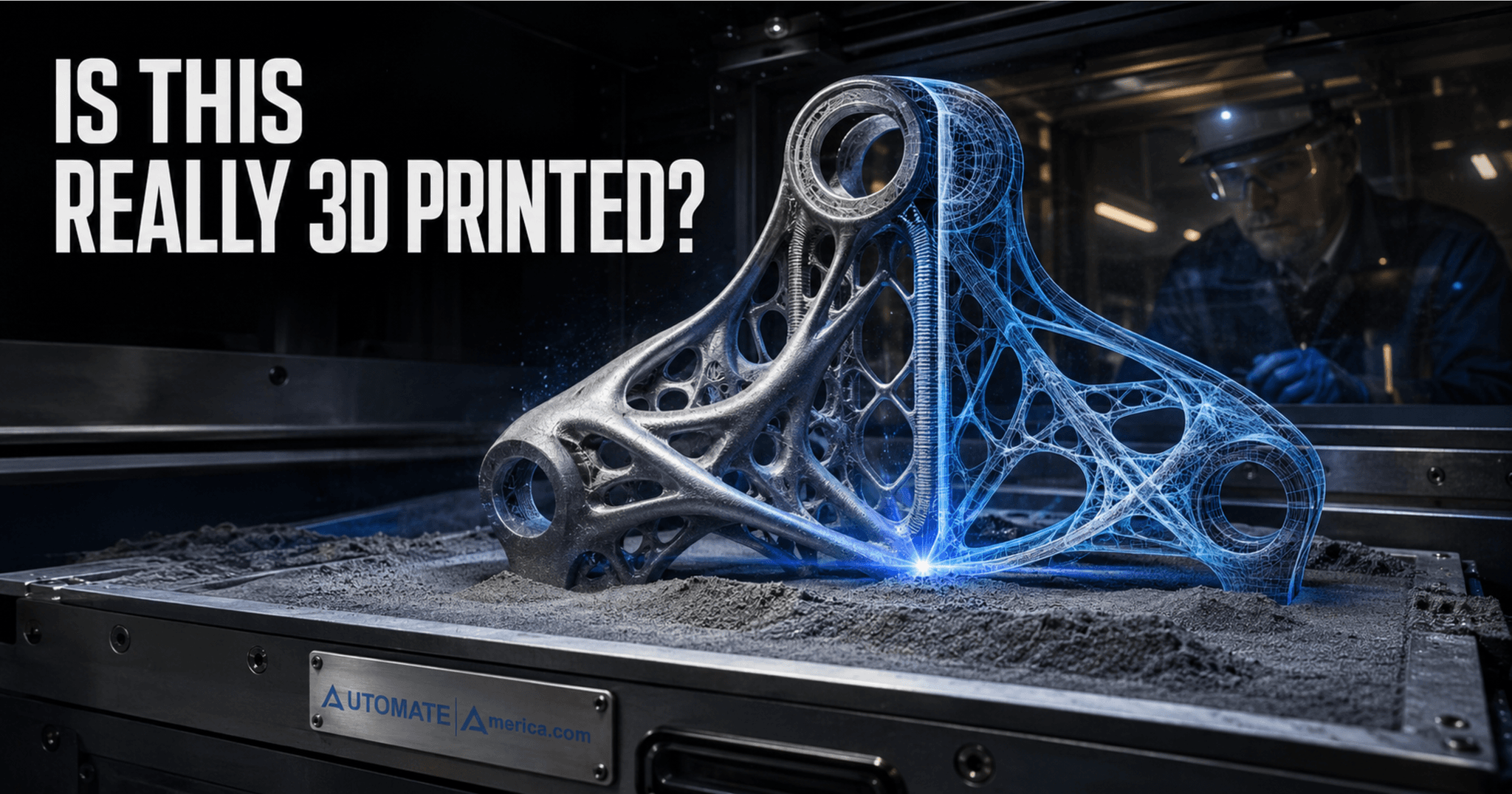
Edge computing. Additive manufacturing. AR/VR for training and remote assistance. Blockchain for credential verification.
The Multi-Discipline Advantage
PLC only, PLC + SCADA, PLC + SCADA + cybersecurity, PLC + robotics + vision, PLC + Python + data analytics, and controls + digital twin + cloud: each added discipline widens the contracts you qualify for.
Every Industry 4.0 skill added to a traditional OT foundation widens the work you can take.
How to Get Started
Traditional PLC/controls professionals: Take free Ignition Core Certification. Learn Python basics. Build a small IIoT project. Get Rockwell or Siemens certified. Pursue ISA CAP.
IT professionals entering OT: Learn industrial networking (EtherNet/IP, PROFINET, Modbus). Study IEC 62443. Get hands-on with PLC simulators. Get field experience through contract roles.
The Workforce Picture
Many manufacturers say workforce adaptation is their top concern. Many technicians do not feel well prepared. OT cybersecurity roles are in demand. Manufacturing hired ~100,000 technology roles. Multi-year demographic pressure from retirements.
Automate America has 6,300+ published professionals across every trade. The skills gap is real, the compensation is strong, and the opportunity is now.
FOLLOW AUTOMATE AMERICA


✉ Email the editor·💬 Text Automate America: 586-770-8083
Tony Wallace, Co-Founder · Automate America
Text first: 586-770-8083 or call·info@automateamerica.com