The Booming Demand for Automation in Life Sciences
The pharmaceutical and biotechnology manufacturing sector is experiencing an extraordinary period of growth driven by gene therapies, mRNA vaccine production, biosimilars, and personalized medicine. According to the Pharmaceutical Research and Manufacturers of America (PhRMA), its member companies invest heavily in research and development, and the medicines that come out of it need advanced manufacturing infrastructure and automation systems.
For automation professionals, pharma and biotech represent some of the highest-paying and most intellectually challenging career opportunities in manufacturing. The combination of stringent regulatory requirements, complex process chemistry, and advanced production technologies creates a demand for engineers and technicians who can bridge traditional industrial automation with life sciences expertise.
Automation Systems Unique to Pharma and Biotech
While pharmaceutical manufacturing shares many common automation platforms with other industries, several system categories are unique to or significantly more complex in life sciences applications.
Batch and Recipe Management: Pharmaceutical production is overwhelmingly batch-based rather than continuous. ISA-88 compliant batch management systems control multi-step processes such as granulation, tablet compression, coating, and sterile filling. Each batch requires complete electronic documentation of every parameter, creating a digital batch record that regulators can audit. Proficiency in DeltaV, Emerson Syncade, or Rockwell PharmaSuite is highly valued.
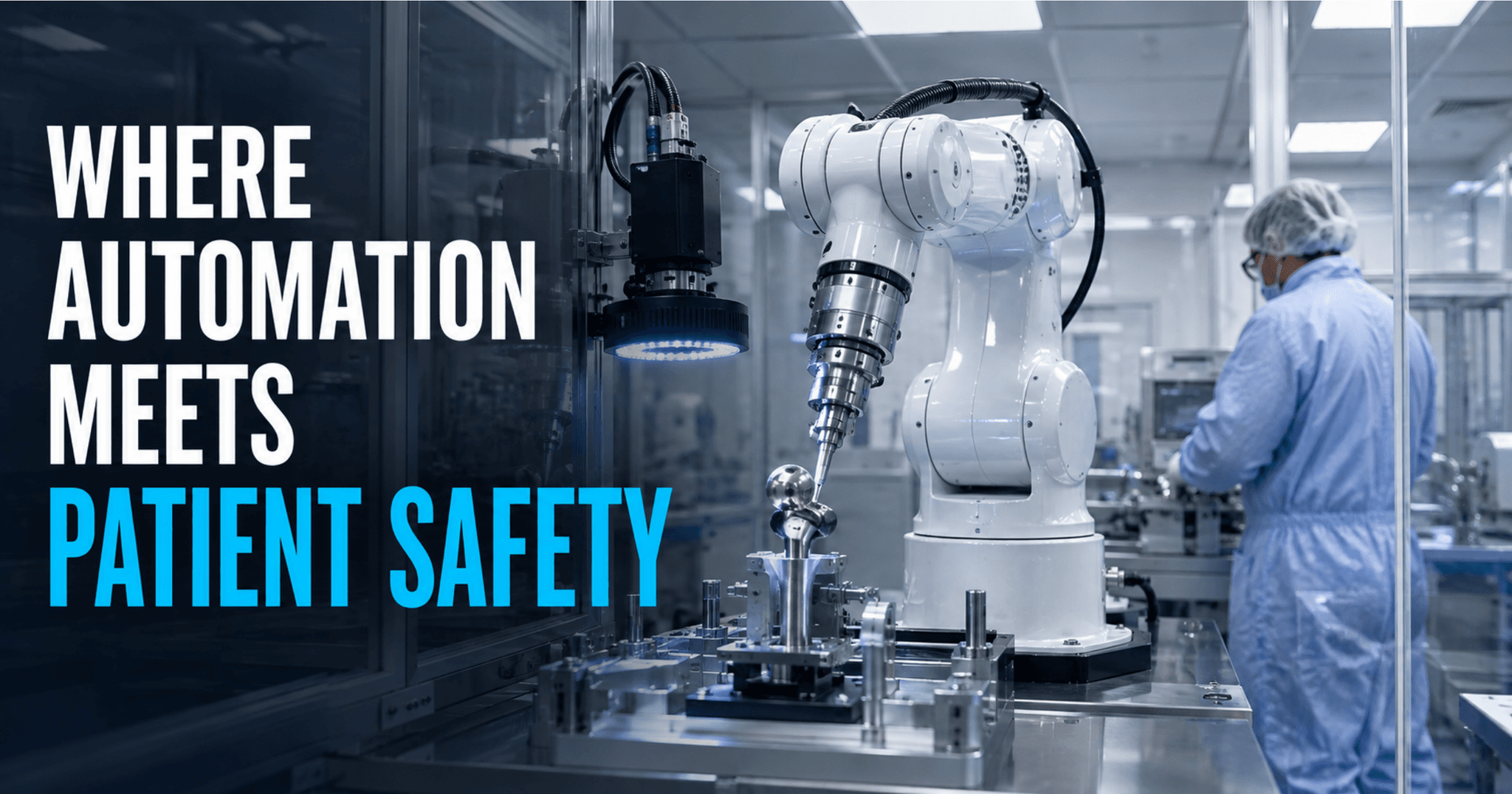
Cleanroom Environmental Controls: Manufacturing of injectable drugs, biologics, and vaccines takes place in classified cleanrooms where particle counts, temperature, humidity, and differential pressure must be continuously monitored and controlled. Building management systems (BMS) integrated with environmental monitoring systems (EMS) maintain these conditions around the clock. Automation professionals configure and validate HVAC controls, airlock interlocking sequences, and alarm management systems.
Serialization and Track-and-Trace: The Drug Supply Chain Security Act (DSCSA) requires pharmaceutical manufacturers to serialize every salable unit with a unique product identifier. Automated vision inspection systems verify print quality on labels, cartons, and cases while integration with enterprise serialization platforms ensures end-to-end traceability. Engineers who understand both the automation and regulatory aspects of serialization are in exceptionally high demand.
Bioreactor and Fermentation Controls: Biotech manufacturing relies on large-scale cell culture in bioreactors ranging from 50 liters to 20,000 liters. Automation systems control dissolved oxygen, pH, temperature, agitation speed, and nutrient feed rates with extreme precision. A small deviation in any parameter can destroy an entire batch worth hundreds of thousands of dollars. Bioreactor automation expertise commands premium compensation.
Regulatory Compliance: The Career Differentiator
What truly distinguishes pharmaceutical automation from other manufacturing sectors is the depth and rigor of regulatory compliance. The FDA enforces current Good Manufacturing Practices (cGMP) under 21 CFR Parts 210 and 211, and the landmark 21 CFR Part 11 governs electronic records and electronic signatures. Every automated system that generates, modifies, maintains, archives, retrieves, or transmits data used to make quality decisions must be validated.
Computer System Validation (CSV) following GAMP 5 guidelines is a core competency for pharma automation professionals. This involves creating validation protocols (IQ, OQ, PQ), executing test scripts, documenting deviations, and maintaining validated state throughout the system lifecycle. Automation engineers who can independently lead validation activities earn significantly more than those who cannot.
Data integrity is another critical regulatory focus. The FDA has issued multiple warning letters to companies whose automation systems failed to prevent unauthorized data modification, backdating, or deletion. Automation professionals must design systems with strong audit trails, access controls, and backup procedures that satisfy regulatory expectations.
Career Paths and Compensation
Pharmaceutical automation offers some of the highest compensation in the manufacturing sector. The specialized knowledge required and the regulatory consequences of errors justify premium pay rates.
Automation Engineer (Pharma): Designs, programs, and validates automation systems for pharmaceutical manufacturing processes. Requires PLC, DCS, and SCADA skills plus knowledge of cGMP and GAMP 5. Pay at this level depends on experience, the employer and the region.
Validation Engineer: Leads computer system validation activities including protocol development, execution, and deviation management. Strong documentation skills and regulatory knowledge are essential. Pay at this level depends on experience, the employer and the region.
MES/MOM Specialist: Implements Manufacturing Execution Systems that manage electronic batch records, weigh and dispense operations, and production scheduling. Experience with Syncade, PharmaSuite, or SIPAT is valuable. Pay at this level depends on experience, the employer and the region.
Process Control Engineer: Optimizes bioreactor controls, purification sequences, and filling operations using advanced process control strategies. Knowledge of process analytical technology (PAT) and real-time release testing is increasingly important. Pay at this level depends on experience, the employer and the region.
Contract Automation Consultant: Many pharma companies engage contract automation professionals for project-based work including new facility builds, technology transfers, and system upgrades. Contract rates for experienced consultants are set by each contract and shown before anyone applies.
Breaking Into Pharma Automation
Transitioning into pharmaceutical automation from general industrial automation is very achievable with the right preparation. The core PLC, HMI, and networking skills transfer directly. What you need to add is regulatory knowledge and an appreciation for documentation rigor that exceeds what most other industries require.
Several paths can accelerate your entry. ISA offers the Certified Automation Professional (CAP) credential, which is widely recognized in pharma. ISPE (International Society for Pharmaceutical Engineering) provides training on GAMP 5, commissioning and qualification, and process validation. Many community colleges near pharmaceutical manufacturing hubs offer specialized courses in pharmaceutical technology.
Geographic hotspots for pharma automation careers include the Boston-Cambridge corridor, New Jersey, the Research Triangle in North Carolina, the San Francisco Bay Area, and Indianapolis. However, pharmaceutical manufacturing is expanding across the country as companies build new facilities to increase domestic production capacity.
Whether you are a seasoned automation professional looking to move into a higher-paying sector or a recent graduate targeting the most stable and rewarding career path, pharmaceutical and biotech automation delivers exceptional opportunities. Platforms like Automate America connect automation talent with pharmaceutical manufacturers and engineering firms actively hiring for these critical roles.
FOLLOW AUTOMATE AMERICA


✉ Email the editor·💬 Text Automate America: 586-770-8083
Tony Wallace, Co-Founder · Automate America
Text first: 586-770-8083 or call·info@automateamerica.com