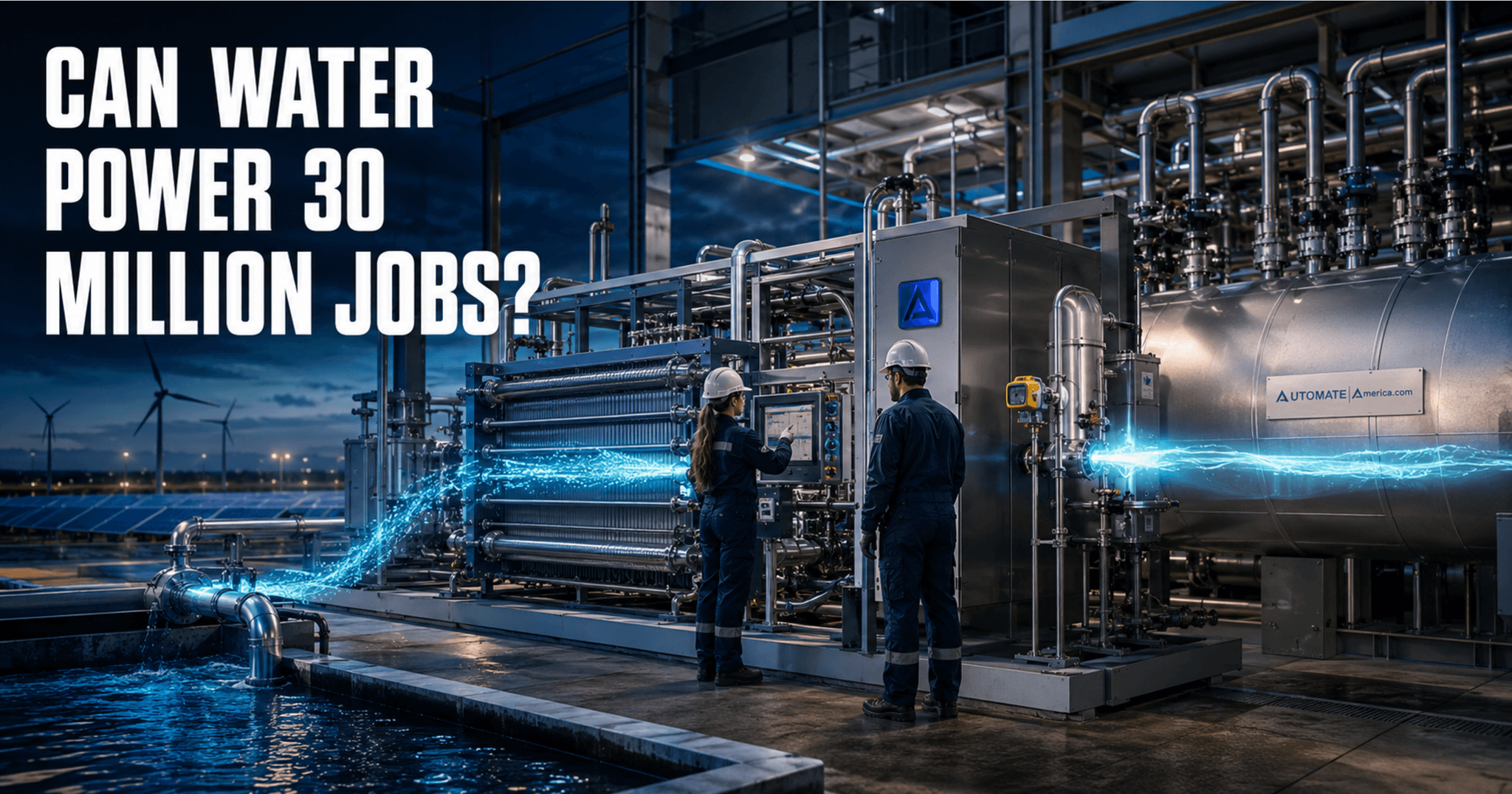
The energy sector is undergoing its most significant transformation in a century. Natural gas plants are replacing coal, renewable energy capacity is doubling every few years, battery storage is becoming economically viable at grid scale, and the entire electrical grid is being modernized with smart technology. Every aspect of this transformation requires automation professionals — from the controls engineers who program turbine control systems to the SCADA specialists who monitor power distribution networks across thousands of square miles. Energy automation careers offer exceptional stability, strong compensation, and the satisfaction of working on infrastructure that powers communities.
Energy Automation Domains
Power generation automation divides into several distinct domains, each with its own technology stack, regulatory environment, and career path.
Conventional Power Generation (Natural Gas, Coal, Nuclear): Large central power stations use DCS (Distributed Control System) platforms — Emerson Ovation, ABB Ability Symphony Plus, Siemens SPPA-T3000, Honeywell Experion — to control boilers, turbines, generators, and balance-of-plant equipment. These are the most complex control systems in industrial automation, managing hundreds of control loops, thousands of I/O points, and safety instrumented systems (SIS) rated to SIL 2 or SIL 3.
Renewable Energy (Solar, Wind, Battery Storage): Solar farms use SCADA systems to monitor and control inverters, transformers, trackers, and weather stations. Wind farms use turbine control systems (Vestas, GE, Siemens Gamesa proprietary platforms) coordinated by wind farm SCADA. Battery energy storage systems (BESS) use real-time control systems that manage charge/discharge cycles, thermal management, and grid interconnection. Renewable energy automation is growing faster than any other segment.
Power Transmission and Distribution (T&D): Utilities use SCADA and EMS (Energy Management Systems) to monitor and control substations, transmission lines, distribution feeders, and customer equipment. Substation automation uses IEC 61850 communication standards, SEL (Schweitzer Engineering Laboratories) protective relays, and RTUs (Remote Terminal Units) to integrate protection, control, and monitoring functions.
Emerging: Microgrids and Distributed Energy: Microgrids — local energy systems that can operate independently of the main grid — require sophisticated automation to manage multiple generation sources (solar, diesel, batteries), load management, and grid synchronization. This is the frontier of energy automation.
Career Levels and Compensation
Energy automation compensation reflects the critical nature of the infrastructure and the specialized knowledge required.
Level 1 — Power Plant Technician / I&C Tech: Installs, maintains, and troubleshoots instrumentation, control valves, and automation hardware in power generation facilities. Performs calibrations, loop checks, and preventive maintenance. A two-year technical degree in I&C (Instrumentation and Controls) or Electrical Technology plus power plant experience.
Level 2 — Controls Engineer: Programs and configures DCS, PLC, and SCADA systems for power generation and distribution. Develops control logic for combustion control, steam temperature control, load following, and automated startup/shutdown sequences. Three to five years of power sector experience.
Level 3 — Senior Controls / SCADA Engineer: Leads automation projects for new generation facilities, transmission substations, or renewable energy installations. Designs control system architectures, specifies hardware and software, manages integration and commissioning. Deep knowledge of NERC CIP cybersecurity standards, SIS design per IEC 61511, and power system protection coordination.
Level 4 — Principal Engineer / Automation Manager: Sets automation strategy for utilities or large generation companies. Manages teams of controls engineers. Interfaces with regulators (NERC, FERC, NRC). Drives technology adoption — digital twins, predictive analytics, autonomous operation. May hold PE license and NERC certification.
Nuclear: Nuclear power plant I&C positions carry NRC regulatory requirements, security clearance requirements, and the critical safety implications of nuclear instrumentation. Pay for nuclear I&C technicians and engineers depends on experience, the employer and the region.
Key Technical Skills
DCS Platforms: The major DCS platforms used in power generation — Emerson Ovation (dominant in North American power plants), ABB Symphony, Siemens SPPA-T3000, and Honeywell Experion — each require platform-specific knowledge. Ovation is the single most valuable DCS skill in the North American power sector because it controls the majority of gas and coal-fired plants.
SCADA for Utilities: GE PowerOn, Schneider Electric ADMS, OSI Monarch, and ABB Network Manager are common utility SCADA/EMS platforms. Understanding IEC 61850 communication standards, DNP3 protocol, and substation automation architectures is essential for T&D automation roles.
Renewable Energy Platforms: SCADA systems for solar and wind (including AlsoEnergy, PowerTrack, and manufacturer-specific platforms) plus understanding of inverter communication protocols (Modbus, SunSpec), meteorological station integration, and energy storage management systems.
Cybersecurity: NERC CIP (Critical Infrastructure Protection) standards require power utilities to implement comprehensive cybersecurity programs for their control systems. Automation professionals who understand CIP compliance — access management, electronic security perimeters, system security management, and incident reporting — are increasingly in demand.
Safety Instrumented Systems: Power plant SIS design per IEC 61511, including safety integrity level (SIL) assessment, safety function design, and SIS commissioning and maintenance, is a specialized and well-compensated skill.
Market Outlook and Growth Drivers
Several long-term trends make energy automation one of the most stable career sectors:
Grid Modernization: The U.S. electrical grid is aging, and utilities are investing billions in substation automation, distribution automation, and advanced metering infrastructure. The Department of Energy and state public utility commissions are funding grid modernization programs that create sustained demand for automation professionals.
Renewable Energy Growth: Solar and wind capacity additions continue to accelerate, and each new facility requires control system design, commissioning, and ongoing SCADA monitoring. The Inflation Reduction Act's tax credits ensure continued growth through at least 2032.
Battery Storage Deployment: Grid-scale battery storage is growing rapidly, and each installation requires sophisticated real-time control systems for charge/discharge management, thermal management, and grid services (frequency regulation, peak shaving).
Plant Retirements and Replacements: As coal plants retire and are replaced by gas, solar, or storage, each transition creates automation work — decommissioning old control systems and commissioning new ones.
Workforce Aging: The power sector workforce skews older than manufacturing overall. Many experienced I&C technicians and DCS engineers are approaching retirement, creating openings for the next generation.
Getting Started
If you are considering energy automation, start by building a foundation in industrial controls — PLC programming, instrumentation, and SCADA fundamentals — at a community or technical college. Then target employers in the power sector: utilities, independent power producers, engineering firms that design power plants (Burns and McDonnell, Black and Veatch, Sargent and Lundy), or OEM service organizations (Emerson, GE, Siemens Energy).
For professionals already working in manufacturing automation, the transition to energy involves learning DCS platforms (especially Emerson Ovation), NERC CIP cybersecurity requirements, and power generation processes. Many of the core skills — loop tuning, HMI design, alarm management, system integration — transfer directly.
Automate America connects automation professionals with energy sector opportunities. List your DCS platform experience, power sector knowledge, and certifications on your profile to match with utilities and energy companies seeking qualified controls and instrumentation talent.
FOLLOW AUTOMATE AMERICA


✉ Email the editor·💬 Text Automate America: 586-770-8083
Tony Wallace, Co-Founder · Automate America
Text first: 586-770-8083 or call·info@automateamerica.com